Wine tasting is intended to sharpen your tasting skills.
Ignore all that wine-speak, various clichés, and purely technical jargon.
In this article, you will learn the basic tasting principles as well as a simple 5-step method to assist you with your future wine tastings.
Wine tasting for beginners starts before the first sip
FOOD:
- What you eat in the hours before tasting must be well-planned. Your senses should be sharp and clear. Avoid overeating and heavy foods. Fatigue is your enemy, so you should be well-rested and fresh. This may sound like common sense, but any intoxication or exhaustion may ruin your tasting day.
PLAN:
- One needs to plan all bookings and logistical details to avoid disappointments. Watch out for timing, reservations, and transport arrangements. Any pending issue may create anxiety and spoil your wine tasting day. You should inform yourself about all these minutiae, as the devil is always in the details.
OUTFIT:
- Do not wear any perfume, as this is a killer of a proper tasting. It interferes with your attempts to detect scents and aromas in wine and can annoy others. Please wear comfortable shoes and clothes, especially if any walking is included on a gravel road or in the vineyard. Skip the high heels. Cellar tastings may also require warm clothes.
BEHAVIOR:
- At the beginning of the tasting, keep in mind that spitting is essential. If you swallow all the time, pretty soon you will be intoxicated, and your ability to discern wines will be severely diminished. And your behavior may include loud cheers, smiles, and potential disruptions. (Mental note: It pays off to exercise wine spitting at home in your kitchen sink).
HYDRATION:
- Between the pours, you should hydrate yourself and clean your palate. There are simple ways to do it. One is to sip water after each pour, the other is to regularly take crackers or apple slices to clean your palate.
What to expect at your first wine tasting?
Let’s try to understand various ways wine is served. It may help you pick the right experience aligned with your mood, taste, and curiosity.
Bar Pours
It refers to a casual standing at a counter. It is the easiest, and usually fastest, introduction to a particular winery’s style.
Seated Flights
A set of glasses is prepared, and often a list of wines to be poured. Plenty of time to relax, enjoy, and compare different wines, as well as take notes.
Tours and Tastings
This is an ultimate treat for a curious wine enthusiast, and it includes visiting vineyards and cellars to learn more about winemaking and the people behind it.
Wine Festivals
This is an opportunity to freely roam around and taste wines. It is like a cool speed-dating event for your taste buds, and you can sample diverse wines.
Don’t be shy to kindly ask your host for a spittoon or a 'half-pour' to stay focused, and also to keep your palate sharp.
Sharing a tasting flight is fine at wine bars or wine festivals, however seated flights are designed for one person. Tasting is a learning experience, so you should feel no pressure to buy wine.
Refined etiquette playbook
- Keep it moving: Don’t hog the bar counter once your glass is filled; take a gentle step back so others can reach the bottles, too.
- Don’t be shy: Your host enjoys talking about wine, so go ahead and ask questions.
- Be a pro: Show up on time, be kind to the staff; as a friendly guest gets the best service.
- Pace yourself: Use the spittoon and drink water so you don’t get wasted. The goal is actually to taste wine, and not only enjoy the social aspect.
The 5-step wine tasting for beginners method (Five Ss)
Let’s analyze a wine tasting routine through five simple phases. Here is the step-by-step breakdown of how to taste like a pro - Five S’s:
- See/Look
- Swirl
- Smell/Sniff
- Sip/Swish and
- Savor/Think
Hold your glass against a white background, such as a paper or tablecloth. Check the color. Over time, whites often shift from light straw to gold, while reds fade from intense violet hues to tawny brown.
For whites, a deep gold often signals age or oak. Additionally, more intense hues may signal a fuller mouthfeel and higher alcohol content, though wine ‘legs’ and viscosity provide a more accurate reading of alcohol.
Let me introduce you to a safe swirl technique. Once wine is poured, remember to keep it firmly on the table. Ignore others who may do this step differently. Move the glass in measured, small circular movements.
Spinning will allow oxygen to open the wine’s hidden scents and aromas. Moving liquid will leave so-called wine ‘legs’ on the glass, and you may learn something about this wine’s body.
The best approach is to take short sniffs expecting earthy or broad fruity hints, before applying longer and deeper sniffs aiming to detect specific aromas. If you experience fatigue or feel overwhelmed, you may sniff your wrist or even clean your forearm to reset your sense of smell. If you apply this approach, pretty soon you will be able to discern various layers of the wine’s bouquet.
Take a small sip of wine, and it should travel from the tip of your tongue all the way to the back of your throat. Learn the trick of pulling in a tiny bit of air, as this helps the wine release its hidden flavors. While you do that, make sure no wine is spilled!
Retronasal smelling is how your brain ‘tastes’ aromas traveling from the back of your mouth to your nose as you swallow. (Mental note: Take a quick swish and practice this over your kitchen sink until you master the technique).
Proceed to swallow some wine, pay attention, and estimate how long the wine’s flavors linger on your tongue. Ignore any fancy description or ‘wine-speak’ in general and ask yourself two short questions. Did I enjoy it, and would I drink this again? Ultimately, only your preference is the relevant judge of quality.
The beginner wine vocabulary that actually helps
Let’s start our wine vocabulary from scratch and introduce the following: fruit, acid, tannin, body, and finish.
- Fruit: Find out if the wine tastes more like sweet cherries or blueberries.
- Acid: ‘Zing’ that makes your mouth water, or the first bite of a crisp, green apple, or the mouth-puckering brightness of a fresh lime garnish.
- Tannin: A dry, fuzzy feeling on your teeth and gums, and the ‘puckering’ sensation you get from a forgotten mug of black tea.
- Body: This is the ‘thickness’ or ‘weight’ of the liquid. It’s like comparing the light, breezy texture of a cold skim milk versus the silky, coating richness of a heavy cream.
- Finish: The length of time the taste ‘hangs around’ in your mouth after swallowing wine.
Let’s explain the aroma wheel and also how to use it in 60 seconds
If you cannot smell anything, please don’t stress. You may start with broad categories, such as earthy or fruity, and use the aroma wheel. No need to search for any ‘unicorn’ details.
The aroma wheel is a map for your nose, or a cheat sheet that helps you put a name to that ‘scent’ you can’t quite describe. Start in the middle.
The center has big, easy ideas (such as ‘fruity’), and the outside has special secrets (like ‘strawberry’). Pick a flavor and just follow the line. If you smell something sweet, look at the ‘sweet’ slice and move outward until you find the match.
How to use it in 60 seconds:
- Sniff (10 seconds): Concentrate and take a whiff of your wine
- The Core (15 seconds): Study the center of the aroma wheel. Think whether it’s woody, spicy, or fruity. Then, just pick the most appropriate category.
- The Hunt (20 seconds): Look at the area toward the outer edge. Try to distinguish if that fruitiness is more like a berry or a lemon.
- The ‘Aha’ (15 seconds): Once you hit the outer rim, you’ve found your specific aroma. You’re officially a wine connoisseur. Well-done!
Three more important words for a beginner’s vocabulary:
- Dry: This just means the wine almost has no sugar left in it, so it won’t taste sweet at all. It has nothing to do with the ‘wetness’ of the liquid.
- Sweet: Just the opposite of dry. It feels like there is actual sugar in the drink (think dessert wines or some Rieslings).
- Oak: If you pick some vanilla, toast, or spice in wine, it likely spent time in a wooden/oak barrel.
The mistakes that make wine taste worse
Here is a quick cheat sheet to help us all get the most out of the tasting. Read thoroughly and make sure that you follow the rules.
Wine tasting mistakes | |
| Perfumes or any other strong odors are not allowed. We all know how much an external scent can disrupt your neighbors’ sense of smell. |
| Palate fatigue happens if you do not stay hydrated, even if you use a spittoon. Sparkling water is a great palate cleanser. Small cheese bites, unsalted rice cakes, green apple slices, or plain bread or crackers will revitalize your palate and keep you sharp and focused. |
| Wait for the facilitator’s signal before speaking. Do not share your tasting impressions upfront. Discussion should follow after all tasters have had a chance to complete their evaluation of the wine. |
| Please consider this as a wine sensory evaluation. Treating the wine tasting like a happy hour represents a disruption of the group’s focus. |
| Do not schedule tastings back-to-back without a buffer, as you will need recovery time; otherwise, it can lead to serious sensory exhaustion and diminished focus. |
How to get better fast without being a wine nerd?
Everyone can learn how to properly taste wine. It requires a bit of training and understanding what works best. Two key words to remember are practicing and comparing. Let’s share a few cool ideas.
- Side-by-side Tasting: You taste three or four wines at once. Pour them, analyze them and taste them in quick succession. Our minds are able to process contrasts very effectively. The task is to spot any difference between wine samples, especially those related to acidity, flavor, or body.
- Scent Library: When you visit fruit and vegetable markets, try to smell various fruits, exotic spices or herbs. Think tomato leaves, lemongrass, or dried thyme. Our minds don’t compile those libraries spontaneously. It requires effort, which will help later to trigger a real-world memory when you pick an interesting note in a glass.
- Guided Comparisons: This is a great learning accelerator, as within a single session you learn a lot about pretty complex wine concepts. Think Chardonnay (Oaked vs. Unoaked) or Pinot Noir (New World vs. Old World).
Ready to book a beginner-friendly wine tasting experience?
Ready to Book a Beginner-Friendly Wine Tasting Experience?
Now, you should just pick your next tasting environment. If you still feel pretty nervous about it, the solution is easy: book a guided seated flight where a wine professional will guide you. Searching for a breathtaking view? Then, book a scenic terrace tasting. Do you want to support sustainable wineries? In that case, your first choice should be to book a tasting at organic estates. Explore a selection of Winera’s curated wine experiences below.
Symphony of Wines: A Premium 8 Wines Tasting Experience in Florence (Tuscany, Italy)
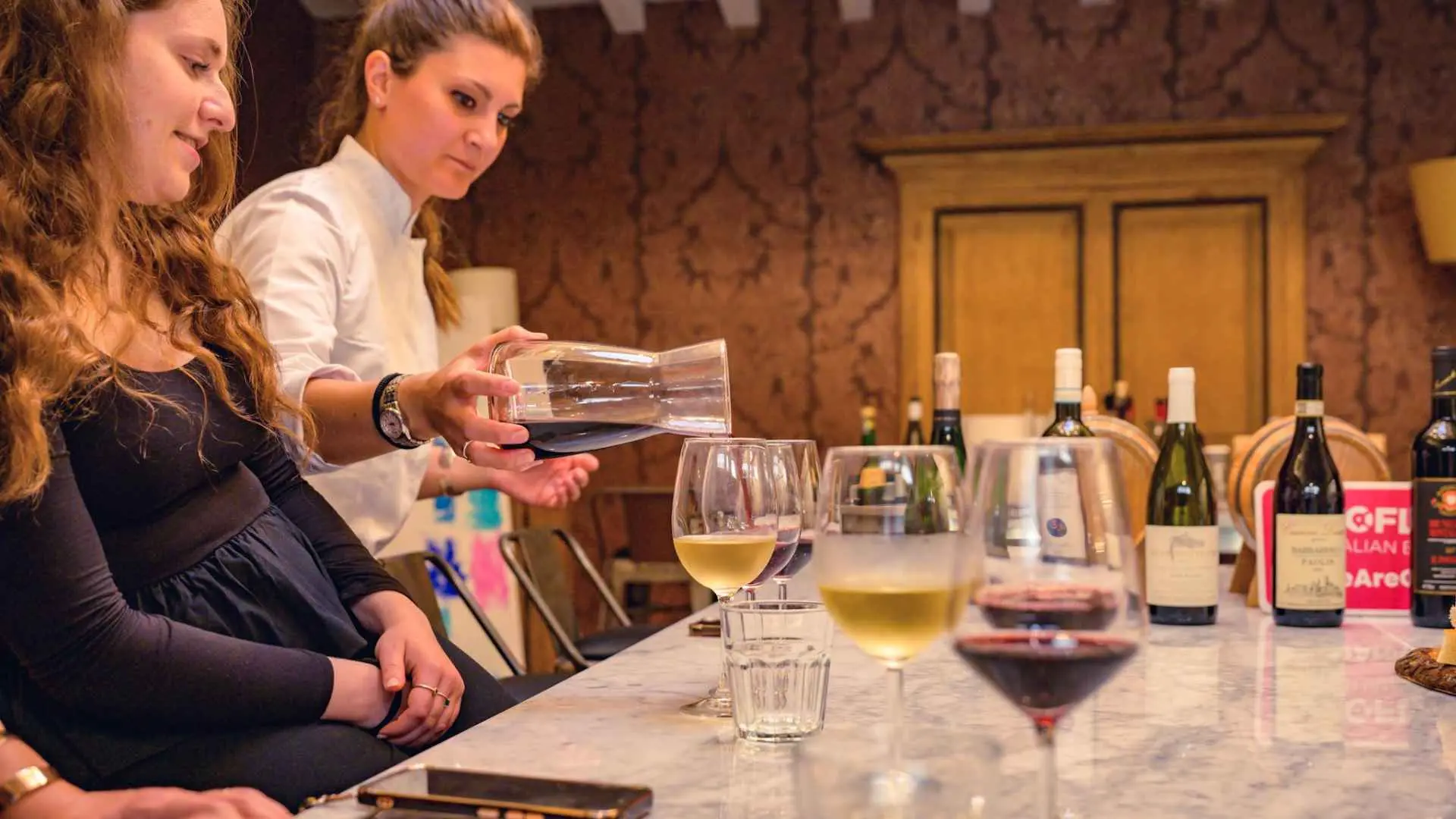
A journey from the crisp whites of the north to the sun-drenched reds of the south. Learn more about premium regional expressions, combined with gourmet appetizers to illustrate the soul of Italian aperitivo culture. Move beyond the basics to decode the stories, terroirs, and traditions.
Fattoria Svetoni Special Tasting - School of Wine (Tuscany, Italy)
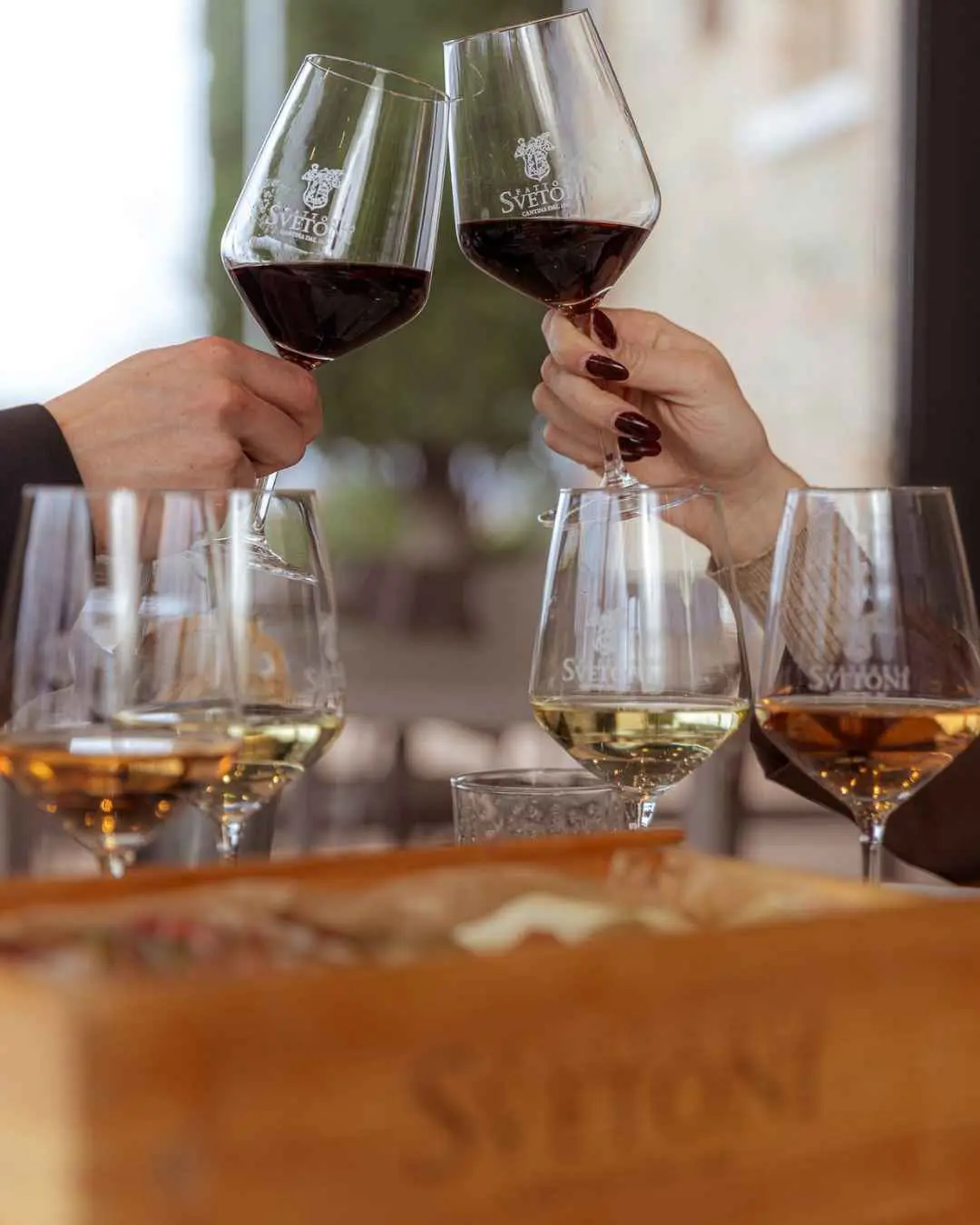
What a joy to discover an old cellar and participate in a masterclass deconstructing a local terroir. Savor three world-class wines and learn what this estate is so esteemed.
Winemaker For a Day (Camigliano, Tuscany, Italy)
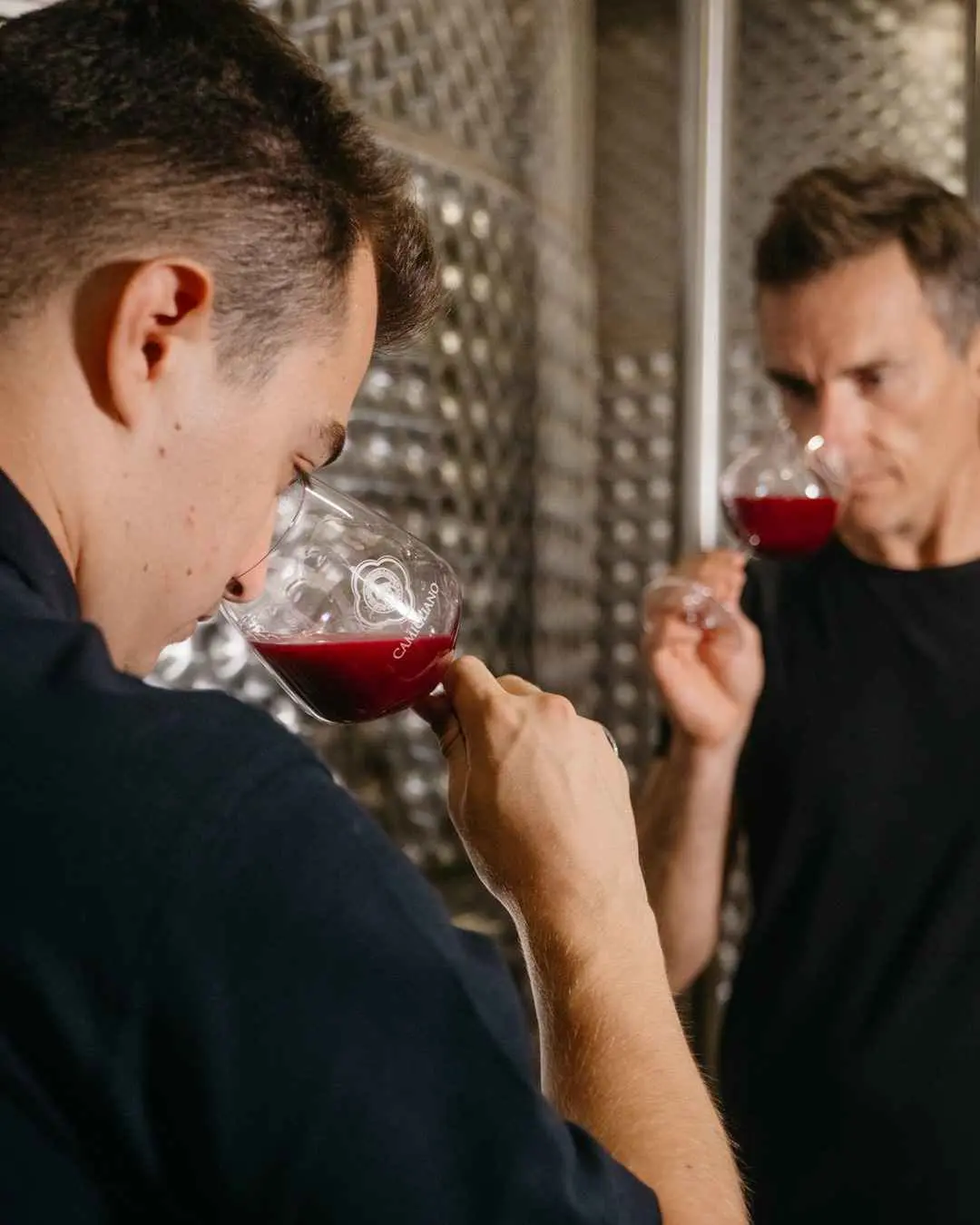
Create a Sangiovese wine tailored to your personal profile. You’ll walk away with a hand-labeled bottle of your own work and the technical insights of a seasoned winemaker.
Finca Valpiedra - ‘Cantos Visit’ (Rioja, Spain)
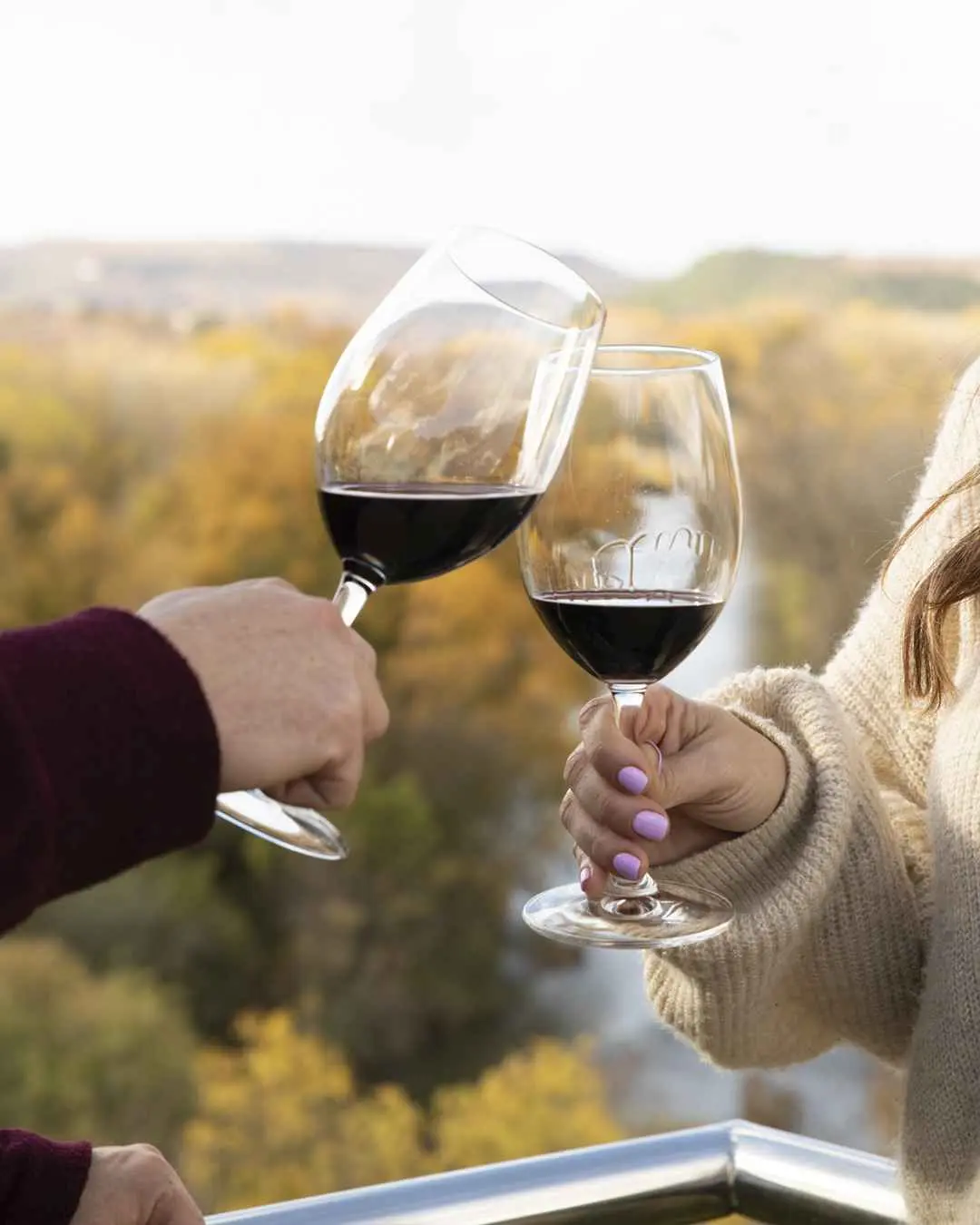
Discover a Grandes Pagos de España estate in a journey through the sustainable vineyards of Finca Valpiedra. Follow the grape’s path from the unique Rioja soil to the cellar, concluding with a tasting of Crianza and Reserva paired with traditional local flavors.
Adega do Vulcao - Premium Tasting (Azores, Portugal)
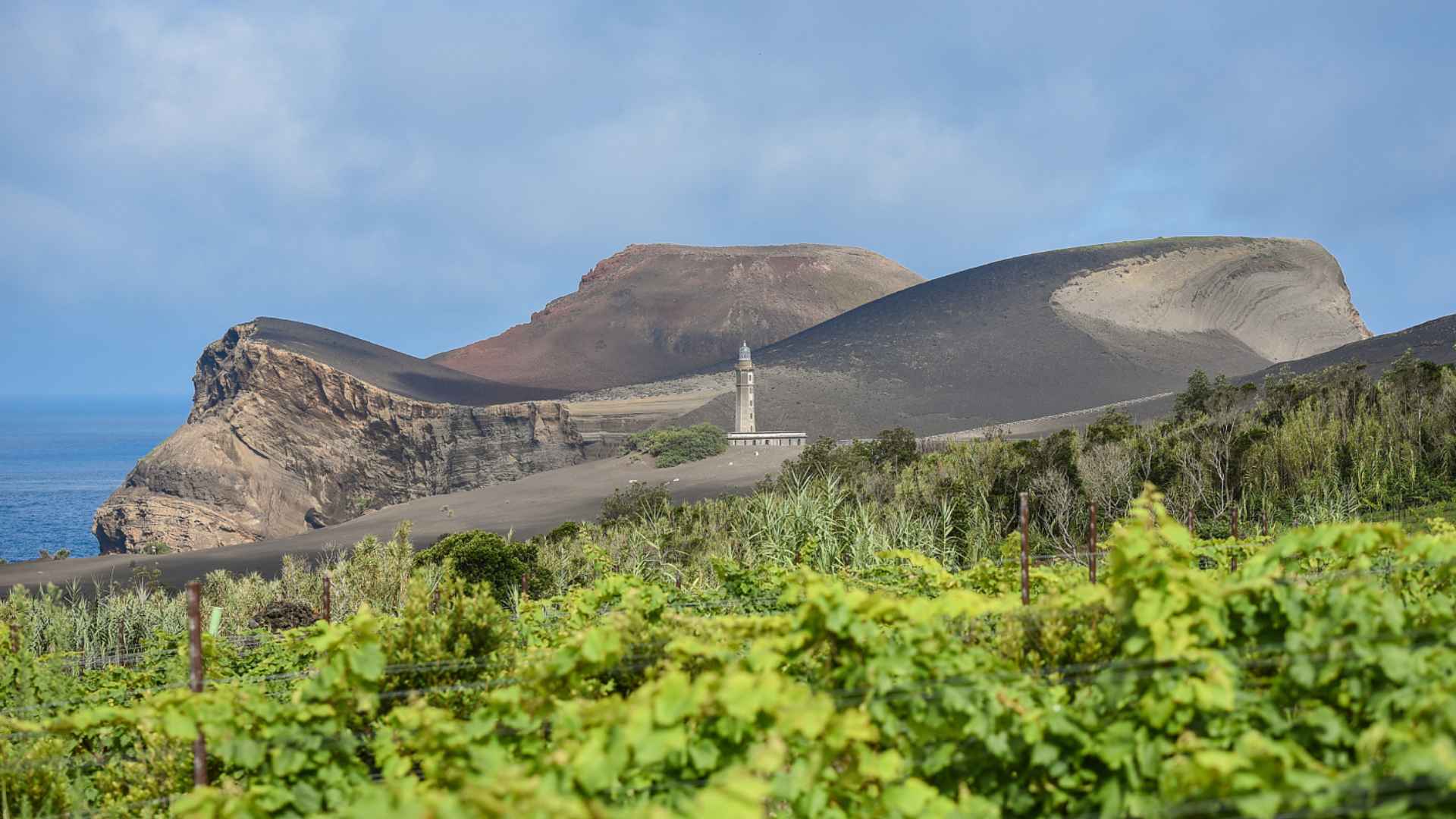
Enjoy the dramatic, volcanic terroir of a UNESCO World Heritage site. Explore seven labels, including limited pours from the nearby island of Faial. With the 80-year-old vines and the silhouette of Pico Mountain as your backdrop, it is a masterclass in Atlantic viticulture combined with local island delicacies.
Domaine Julien Chopin - Aromas Workshop (Champagne, France)
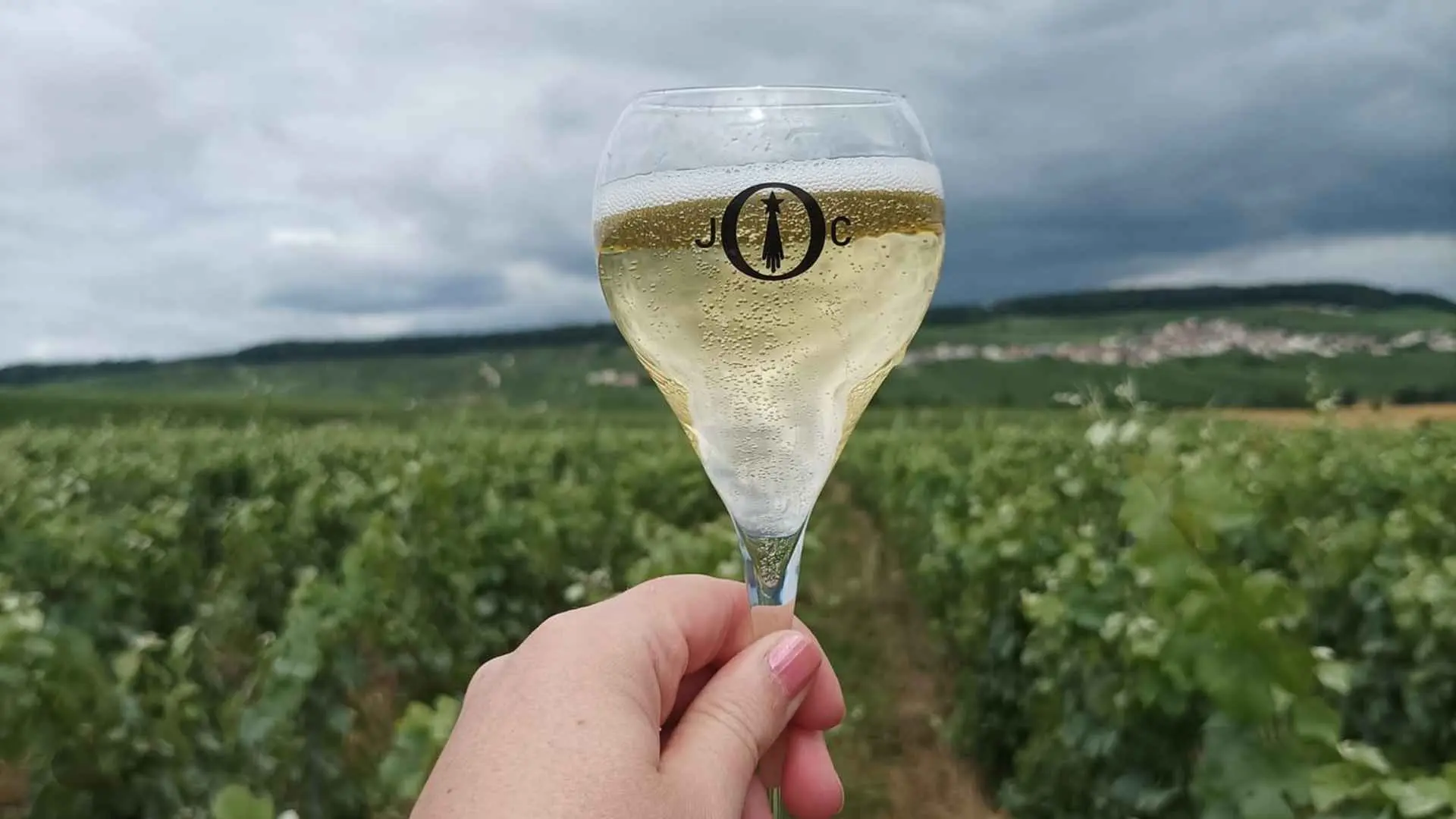
Are you ready to search for aromatic secrets in Champagne? This is an opportunity to calibrate your palate and apply your skills to a guided flight of three distinct estate cuvées. It is an invitation to move beyond the bubbles and understand the sheer elegance behind the glass.
Champagne Cuillier - The Saber and the Bubble (Champagne, France)

A chance to master the ancestral art of sabrage in this high-energy workshop that blends Napoleonic tradition with modern safety. You will learn the precise technique to open a bottle with a blade before tasting the biodynamic excellence of Cuillier - De Sloovere champagne.
Blindfolded Wine Tasting with Game and Gift in Marsala (Trapani, Sicily, Italy)

Decode complex aromas in mere seconds by stripping away visual bias. You’ll then connect the tactile ‘feel’ of textured fabrics to the structural weight of the wine. Forget the fancy talk, this is a fun game where you taste wine blindfolded to see if you can actually guess what’s in your glass. You’ll finally learn how to describe wine like a pro without guessing.
When browsing the Winera Wine Tours or Wineries categories, you will find all the relevant information pertaining to duration, food pairings, or group size to make sure it fits your style. You may opt for an educational session, or a relaxed afternoon, and all you need is to explore Winera’s curated experiences to find your perfect match. Happy tasting! Cheers!